
Back to Buchenwald 2026, Iterative Society (8/8)

I wrote this series to capture the lessons of my latest trip back to Buchenwald, the Concentration Camp my father was imprisoned in during 1944. Each day I was away is represented by a theme.
Tuesday, April 15, 2026
Weimar, home of the Weimar Republic, centre of the German Enlightenment, has played an integral role in German identity for better or worse throughout recent history.
It was the seat of the Weimar Republic; it was also a critical piece of Hitler’s propaganda around a pure and proud German fatherland.
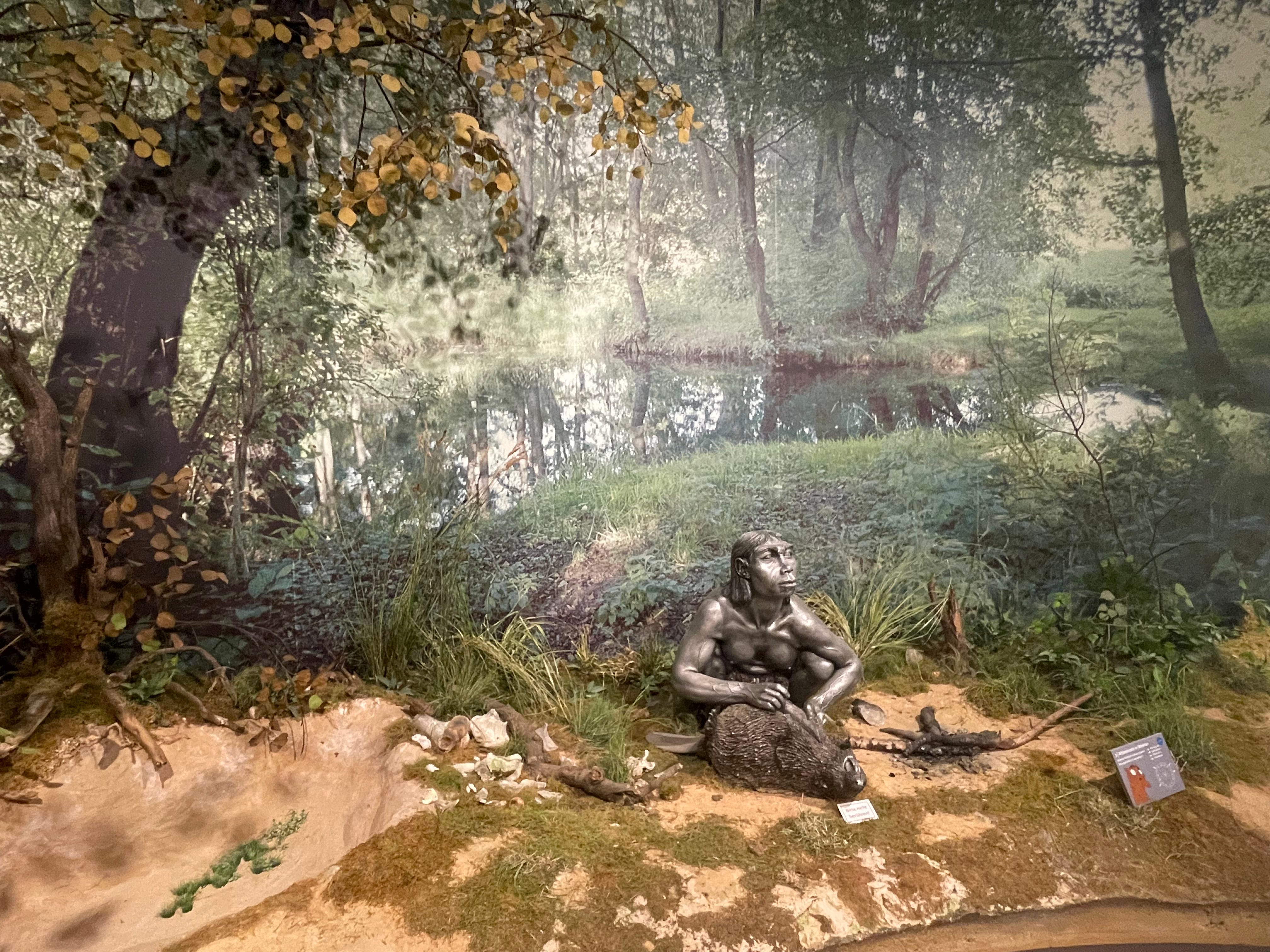
There have been people, even proto-people, living in the region that is now known as the Free State of Thuringia, home to the intellectual capital of Weimar, since prehistoric times. Paleolithic hunters chased now-extinct megafauna, and later and Neolithic farming communities dotted the rolling landscape.
During the early centuries before Christ - well after metropolitan cities and writing has emerged in the Middle East - the region was inhabited by Germanic tribes, including the Thuringii, who established a kingdom before being conquered by the Franks in the 6th century. The Germanic Franks would eventually replace the Celtic Gaulsin conquering the land that now bears their name - France.
Thurungia would eventually be swallowed up by the expanding Holy Roman Empire, attracting Slavic settlers into its eastern regions. Protestantism would eventually anupplant the Catholic religion, with Martin Luther visiting Weimar many times.
Over centuries, Thurungia fragmented into small duchies and principalities, shaping a pattern of localized identities and pride that to this day exist proudly Ali guide any national sentiment.
Today, Weimar is a thriving town of tourism, art, higher education, and political debate. To walk its streets is to dance between the architecture and thought of many eras, schools of thought, and people.
Like all of Europe, Weimar is the beneficiary of diversity. It has never been just one thing - its resilience and strength from its constant adaptation, its curiosity, and its willingness to grow into its next iteration.
Other posts in this series:
Back to Buchenwald 2026: Weimar, Centre of Enlightenment (2/8)
Back to Buchenwald 2026: The Survivors (3/8)
Back to Buchenwald 2026: Carrying the Legacy Forward (4/8)
Back to Buchenwald 2026: From Remembrance to Resistance (5/8)
Back to Buchenwald 2026: From Mittlebau-Dora to Artemis II (6/8)
Back to Buchenwald: Candles Against the Dark (7/8)
Back to Buchenwald 2026, Iterative Society (8/8)